History and legend

History, Legend and Deities

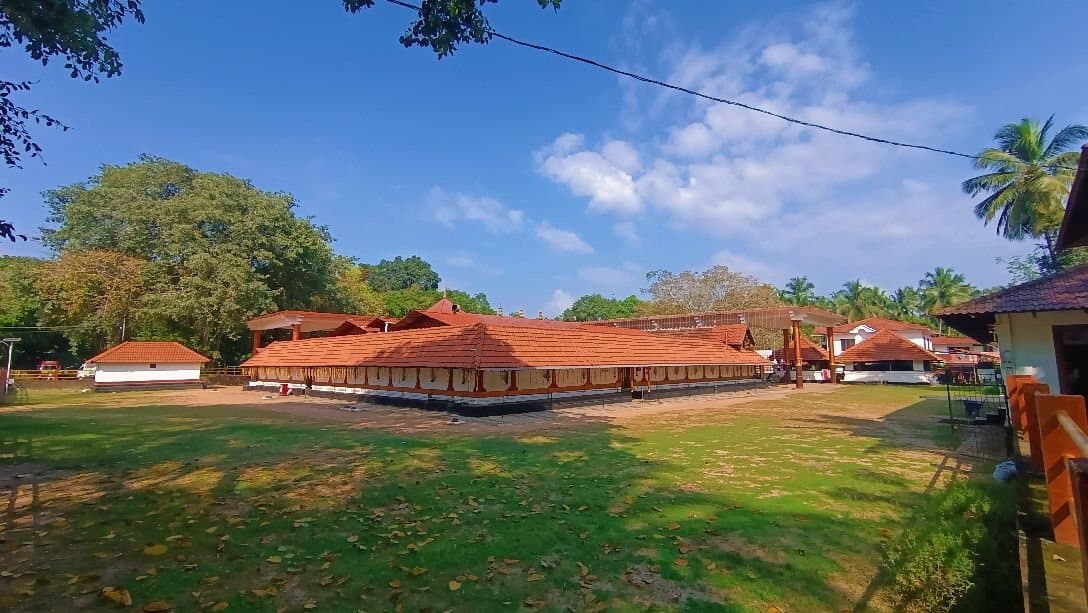
No written record fixes the year the temple was built, but a much-loved legend explains its origin — the story of a community that carried its Goddess across the sea.

The story of Pisharikavu

Long ago, a few families of wealthy Vaishya gem merchants settled in Thekkan Kollam — Kollam in the south. One devotee among them went to Sree Porkali and performed severe penance to the Goddess. Pleased, she appeared and told him to take the Nandakam, the sword lying at his head, back to his homeland: if he worshipped her through that weapon she would fulfil his prayers, and wherever he thought of her, she would be present.

He woke to see a divine radiance fading and the Nandakam beside him. Returning to Kollam, he built a shrine for the Goddess and worshipped the Nandakam on her pedestal. Because he was also a 'vishahari' — one who cured snake poison — the shrine came to be called Vishaharikavu, which over time became Pisharikavu.

Blessed by the Goddess, the merchants prospered, owning ships and trading overseas. A dispute over taxes with the king of Thekkan Kollam led to their being ordered to leave. Eight families, including the one that worshipped the Nandakam, sailed north with all their wealth — invoking the Goddess into the Nandakam so that she travelled with them.

On the way they saw a strange and peaceful sight on a shore: cows and tigers drinking water together. Taking it as a sign of a land of peace, they landed there, bought the land from Komath Vazhunnavar, the representative of the Kurumbranad Raja, and built the temple and their homes. To keep the memory of their old home, they named it Kollam Pisharikavu.

The consecration was performed by the renowned tantri Kattumadam Namboothiri, and the Nandakam brought from the south is worshipped inside the sanctum to this day. The early priests were the Vaishyas themselves.

The eight founding families (Ooralans)

  • Keezhayil
  • Vazhayil
  • Elayidath
  • Eecharattil
  • Punathil
  • Nanoth
  • Mundakkal
  • Eroth

Deities of the temple

Bhadrakali

The presiding deity, consecrated with the Saptamatrukkal (seven Mothers). The Goddess faces north, blazing in her fierce, protective form. To her left the Nandakam — believed to embody her power — is worshipped.

Lord Shiva

The Shiva shrine faces east and stands in front of the Goddess's sanctum. Tradition holds that Pisharikavu was first a Shiva temple; the founding merchants consecrated both Shiva and the Goddess.

Ganapathi and Sastha

The sub-deities of the temple. Ayyappanu Ada, the sweet offering to Sastha, is made on Saturdays.

Kshetrapalan

The guardian deity is consecrated outside the nalambalam, in the north-east of the temple courtyard.

Ritual ceremony at Sree Pisharikavu Bhagavathy Temple

Guruthy at Pisharikavu

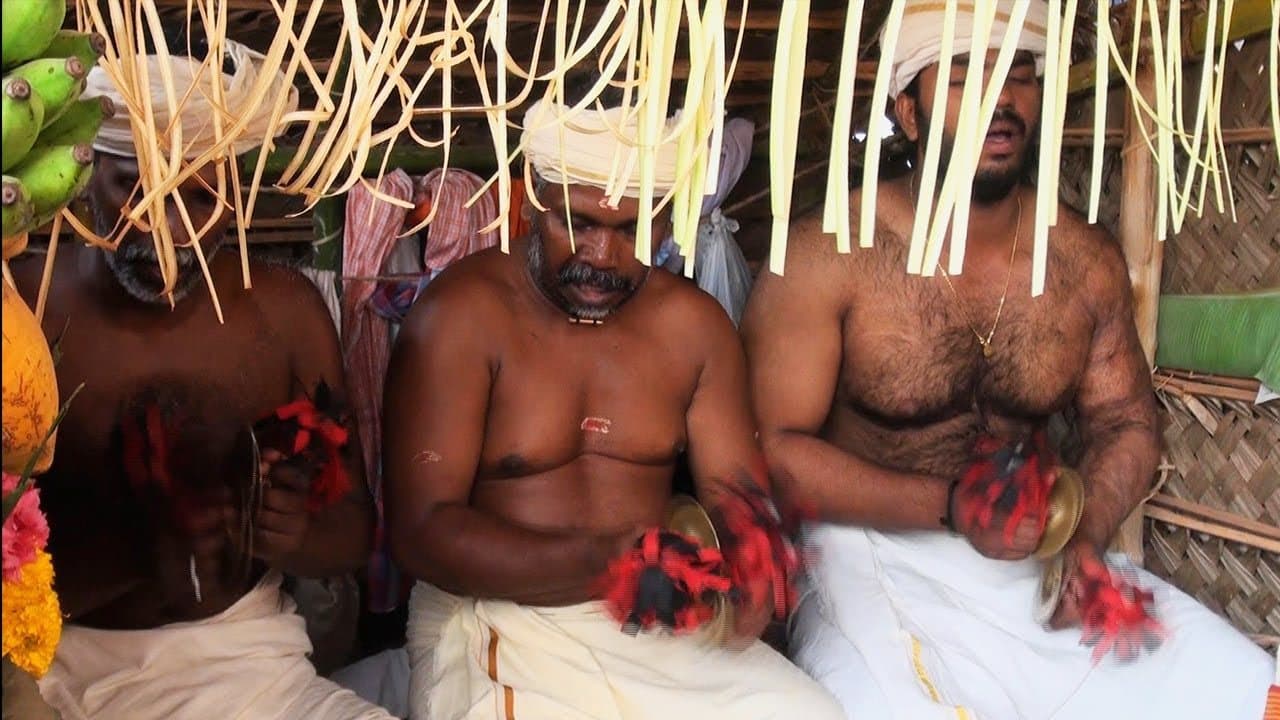
Guruthy (also called Kuruthi or Gurusi) is a ritual found in Kerala's Bhadrakali temples. The name means 'blood'; today the offering is a red liquid of turmeric and lime. It recalls the Devi Mahatmyam story of Kali slaying the demon Raktabija, every drop of whose blood would have become a new demon. At Pisharikavu, Guruthy is performed on Tuesdays, Fridays and Sundays. Valiya Vattalam Guruthy is one of the temple's major offerings; it is not performed once the date of Kaliyattam has been fixed.

Administration

Sree Pisharikavu Temple is under the Malabar Devaswom Board. It is administered by a board of eight hereditary trustees — representatives of the eight founding families — four non-hereditary trustees and the Executive Officer.

How to Book Online

Booking a Pisharikavu offering takes about two minutes on WhatsApp or in the browser. The temple performs the puja on the chosen date in your name and birth star.